
Peptide therapy in Utah, prescribed and measured.
A licensed clinic on Highland Drive. A clinician reads your labs, writes the protocol, and re-checks the same markers every 90 days — and changes the protocol when the numbers say to.
You'll reach our Holladay office, not a call center. If we're with a patient, leave a message and a clinician calls you back the same day.
Two ways to get peptides. Only one of them is prescribed.
Most people shopping for peptides are choosing between a website that ships a vial and a clinic that writes a prescription. Those are not the same product with different prices. They are different mechanisms, and they fail in different ways.
Buying online
Unknown molecule. Unknown purity. Unknown result.
- No clinician reviews your history before you start
- No batch purity or sterility verification you can check
- "For research purposes only" — a label, not a safeguard
- No labs before, so no way to know if anything moved
- Purity varies lot to lot, and you can't tell which lot you got
- Nobody adjusts the dose when your body responds
The RenewRx protocol
Prescribed molecule. Verified purity. Measured result.
- A licensed clinician screens you and builds the protocol
- Dispensed through a state-licensed 503A compounding pharmacy
- Purity and sterility verified on the batch you receive
- Full panel at baseline, so there's a number to compare to
- Dose set from your labs, not a standard starting amount
- Re-panel every 90 days, and the protocol changes with the data
What people come to us to work on
Your protocol is built from your goals, your labs, and your history. These are the starting points we see most often.
Tissue & injury recovery
For adults training hard, or recovering from an injury or surgery, who want soft-tissue repair and inflammation tracked rather than guessed at.
Growth-hormone axis
For adults 35 and up with declining markers on the GH axis. Focus: lean mass, sleep quality, deep recovery, tissue integrity.
NAD+ & mitochondrial
For energy, cognitive sharpness, and mitochondrial health. Delivered by injection or IV, with NAD+ and inflammatory markers tracked.
Sleep quality & recovery
Sleep is where most recovery actually happens. If your sleep architecture is the limiter, we treat that before layering anything else on top.
Metabolic health
Fasting insulin, lipids, inflammatory markers, body composition. The unglamorous panel that decides whether the rest of it works.
Hormone optimization first
If testosterone or thyroid is off, peptides layered on top mostly waste money. We sequence hormones first, then build from there.
Every protocol is individualized to your labs, goals, and screening results. Peptide therapy is a regulated medical intervention and is prescribed only after a clinical evaluation. Some people are screened out — that is the point of screening.
Test. Prescribe. Re-test. Adjust.
The same process we use for hormone therapy, applied to peptides. Nothing here is unusual — it's just medicine, done in order.
Call the clinic
We ask what you're working on and what you're already taking, and tell you whether this is the right fit before you spend anything.
Baseline panel
A full draw before anything is prescribed, covering the systems your protocol is meant to move.
Clinician consult
Tyler reviews the panel, screens for contraindications, and writes a protocol against what your labs actually show.
90-day re-panel
Same markers, same lab. If something didn't move, the protocol changes. If it moved the wrong way, it changes faster.
We'd rather show you the panel than a testimonial.
Most providers tell you how you'll feel. Here is the actual list of what we draw, why we draw it, and when we draw it again.
The panel
Representative markers. Your panel is built around the system your protocol targets.
Because this is a medical intervention, not a supplement
Every patient gets a full draw at baseline, again at 90 days, and every 90 days after that. The panel targets the system your protocol is meant to move — not a generic wellness screen.
If a marker doesn't move, the protocol changes. If it moves the wrong way, the protocol changes faster. That loop is the entire product. Everything else — the sourcing, the purity testing, the consult — exists to make the loop trustworthy.
Straight about the evidence: peptide research is uneven. Some of what we prescribe has solid human data behind it and some has mostly preclinical work. We tell you which is which before you start, we screen for contraindications, and we don't make claims the literature won't support. If the honest answer is "we don't know yet," that's the answer you'll get.
One clinician, start to finish.
You are not routed through a call center to a prescriber you never speak to. The person who reads your panel is the person who writes your protocol and adjusts it at 90 days.
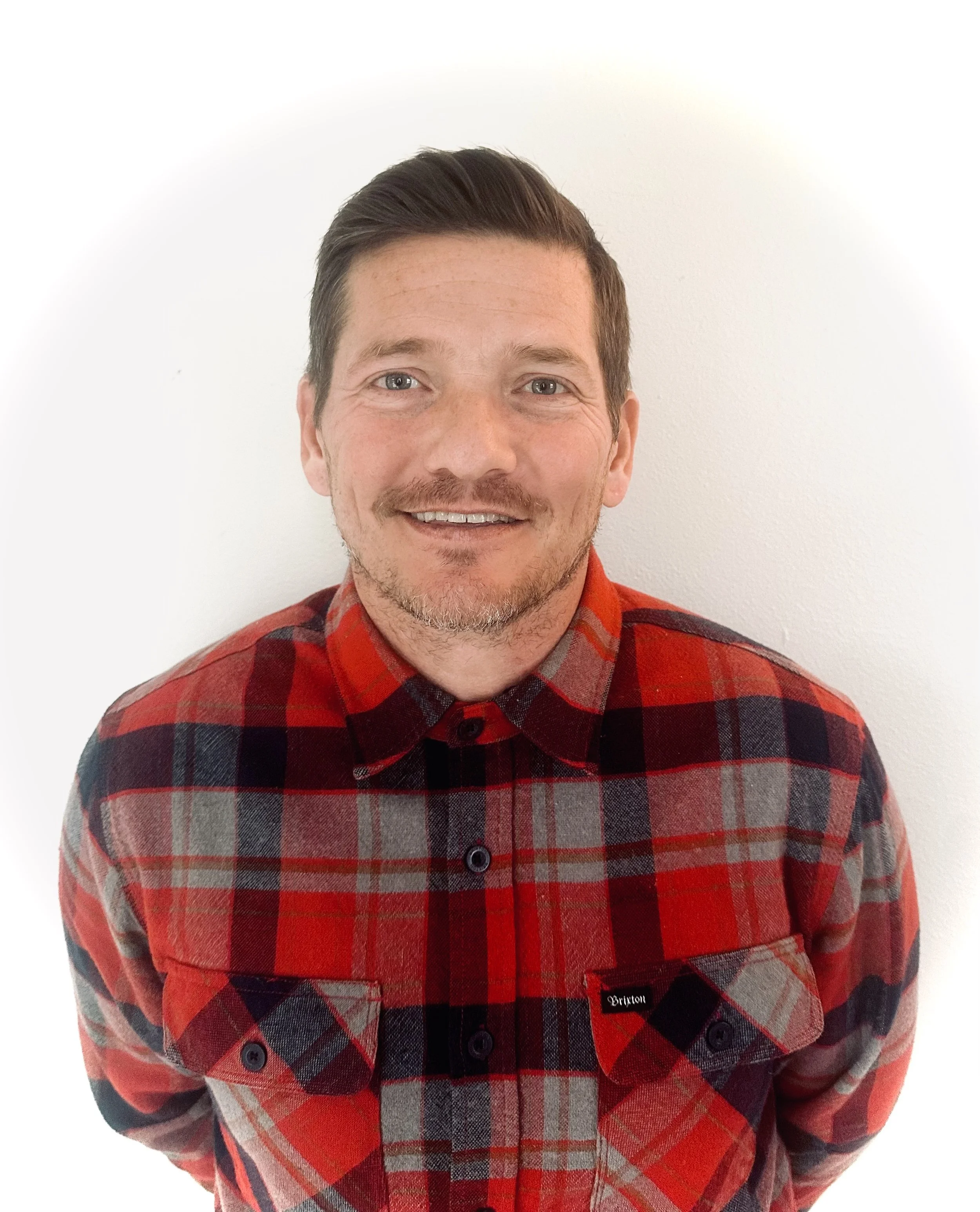
Tyler Coe, NP
Tyler builds peptide and hormone protocols from lab data, screens for contraindications before anything is prescribed, and re-panels every patient on a 90-day cycle.
- Board-Certified Nurse Practitioner
- A4M / Fellowship-trained
- Peptide therapy certified
- Functional medicine training
- BHRT certified
- Biomarker-driven protocols
A real clinic on Highland Drive.
Come in for your consult and your draws, or handle follow-ups by telehealth. Both work — but there is an actual address, and you can stand in it.
RenewRx — Holladay
Holladay, UT 84121
The questions people actually ask first
Including the ones a vendor wouldn't answer.
What does it cost?
It depends on the protocol. A single-peptide recovery protocol costs considerably less than a multi-peptide longevity protocol with quarterly panels. Call and we'll give you the range for your specific goals on that call, before you commit to anything. No bait-and-switch.
How strong is the evidence, honestly?
It varies by molecule, and we won't pretend otherwise. The growth-hormone secretagogue class has stronger human data than what's used for injury recovery, which is largely preclinical. We prescribe based on FDA availability, weight of evidence, clinical experience, and — critically — what your own biomarkers do. If your 90-day panel doesn't move, we change the protocol. We don't sell faith.
Is there a cancer risk with growth-hormone-axis protocols?
The theoretical concern is that raising IGF-1 could accelerate a pre-existing malignancy. There is no strong randomized evidence that therapeutic-dose secretagogues increase cancer risk in screened patients, but we take it seriously. We screen for history and red flags, we keep IGF-1 inside the physiologic range rather than pushing it to the ceiling, and we decline to prescribe where there are contraindications. If you have a concern, we'll talk it through directly.
What happens if the FDA changes the rules on compounding?
Federal posture on compounded peptides has shifted more than once and is still moving. We track it continuously and adjust our formulary when the picture changes — which sometimes means telling a patient a protocol is no longer available. Our partner pharmacy is a state-licensed, inspected 503A facility, which is the most accountable version of compounded sourcing currently available.
How does this interact with testosterone or hormone therapy?
Order matters. For most patients we get hormonal status dialed in first, then layer peptides. Running growth-hormone-axis protocols on top of poorly managed testosterone or thyroid is one of the most common ways people waste money in this category. We sequence it properly, even when that means a slower start.
Can I bring my own lab panel?
Usually yes. If you already have recent panels, share them — we may only need a smaller supplemental draw to fill the gaps. We don't order labs for the sake of ordering labs; we target the markers that matter for your specific protocol.
Do I have to come to Holladay?
Your consult and baseline draw happen at the clinic on Highland Drive. After that, 90-day reviews and protocol adjustments can be handled by telehealth anywhere in Utah.
What would make you turn me down?
Contraindications on screening, a history that makes the risk profile wrong, or labs showing something that needs addressing before optimization is even the right conversation. Screening exists to produce that answer sometimes. If that's you, we'll say so and tell you what we'd want handled first.
Find out if you're a candidate.
One call, no cost, no obligation. If you're a fit, we'll book the consult and run your baseline panel. If you're not, we'll tell you that instead.
Monday – Friday, 9:00 AM – 5:00 PM · 6065 S Highland Dr, Holladay